Trust and the Creator Economy in the Age of AI
September 17, 2026

Summary of Key Takeaways
- As generative AI accelerates content production, audiences place greater value on work grounded in lived experience.
- The rise of low-effort automated content has increased consumer scepticism and scrutiny of how content is made.
- Brands are building long-term partnerships that give creators genuine creative autonomy.
- AI can improve ideation and production efficiency within partnerships grounded in human trust.
AI is changing how trust is built in the creator economy. Many marketers use generative AI to speed up copy development and creative production. It can simplify campaign management and help brands understand the cultural context and audience relationships behind effective creator content. As feeds fill with similar content, human connection becomes more valuable because it gives audiences a reason to care.
The Trust Challenge
AI lowers the barrier to content creation, making it harder for audiences to decide what deserves their attention and trust. Hyper-realistic visuals and automated messaging add to that uncertainty. Content build around human connection gives brands a competitive advantage.
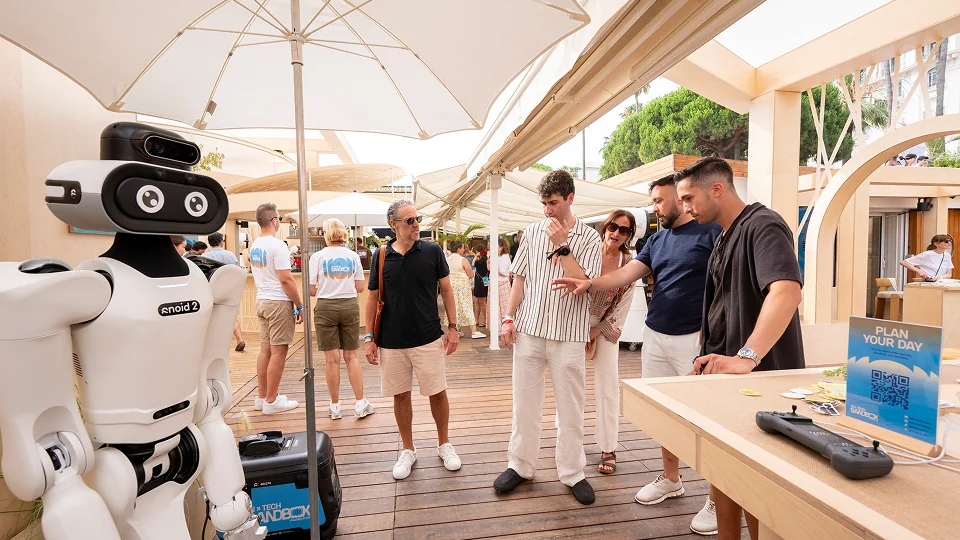
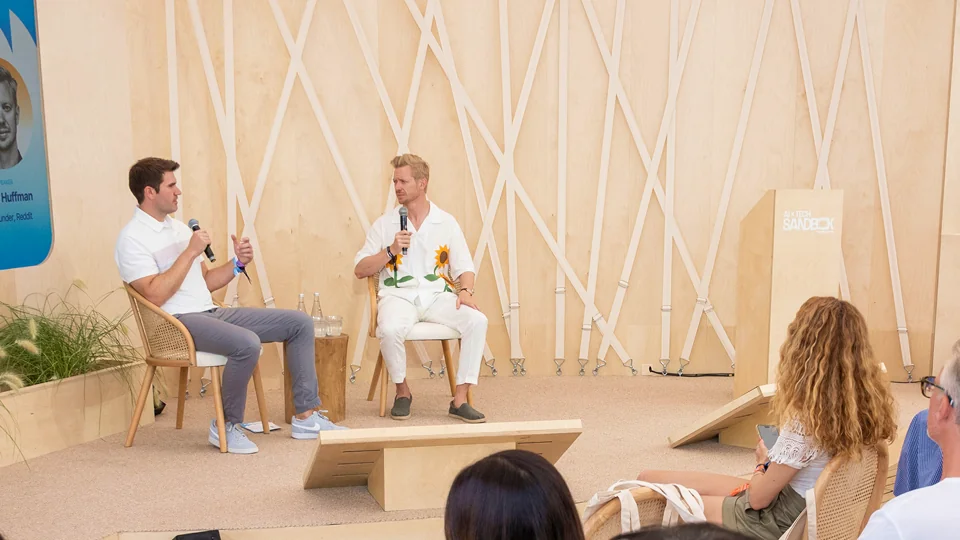
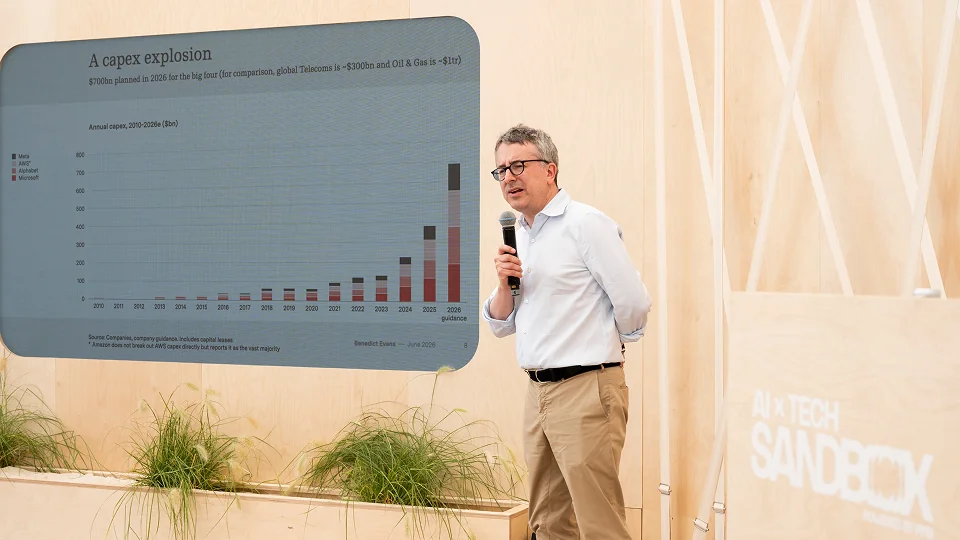
Creators and industry experts use the term “AI slop” to describe low-effort automated content produced at scale to game platform algorithms. At the AI & Tech Sandbox in Cannes, creator Tom Scott described generative AI as turning longstanding commercial filler into a “slot machine” model of content creation.
When brands or creators replace their own voice with synthetic content, audience backlash can be swift. “If you use AI to replace human words, it takes away from your voice, and consumers will call you out for it,” Scott cautioned.
Creator and engineer Xyla Foxlin also stressed the importance of accountability and transparency when using AI. “AI is a tool, not a replacement for humanity. If you use CNC machines or robotics, you are still a builder - provided you remain accountable for your work and transparent with your audience.”
Consumer AI investor Olivia Moore tested how audiences respond to synthetic creators in a recent experiment. Moore created Janie, a fictional AI-generated student, and introduced her to RushTok, the online phenomenon surrounding the University of Alabama’s sorority recruitment.
Within a week, Janie was averaging tens of thousands of views per video. Viewers identified her as AI by the second day and continued to follow her story. Her reach demonstrated the attention synthetic creators can command. For brands, lasting relationships depend on transparency and accountable human judgment.
Odd Muse founder Aimee Smale uses AI as an operational “extra pair of hands” for scheduling and ideation. The brand’s distinctive aesthetic and storytelling remain rooted in human craft and lived experience.
Building Strategic Creator Partnerships
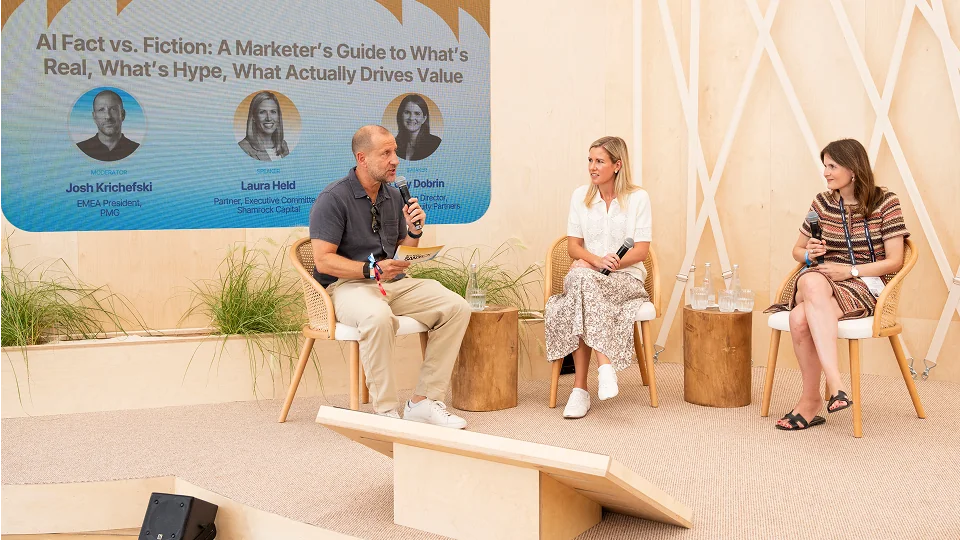
Consumers are becoming less responsive to polished, scripted advertising, prompting brands to rethink creator partnerships. Lauri Metrose, Chief Communications Officer at Expedia Group, and Leah Walker, Director of Influencer & Creator Marketing at Adobe, described how their teams are building long-term relationships that give creators greater creative influence.
At the Cannes debut of the AI & Tech Sandbox, Expedia shared its collaboration with creator Zachery Dereniowski. Known for his philanthropic content as “MDMotivator,” Zachery uses AI tools to identify locations and communities where his support could make the greatest difference.
Expedia gave Zachery creative autonomy and funding to carry out unscripted acts of kindness during his travels. His connection with his community helped the resulting stories resonate beyond aspirational travel advertising.
“When brands try to micromanage every word, they strip away the very magic they hired the creator for,” noted Leah Walker.
At Adobe, creators join the process early as strategic consultants who help shape brand narratives and product experiences.
These partnerships build brand affinity and sustained consumer trust over time, expanding how marketers should measure success.
AI in the Creative Process
Creator Brandon Baum uses AI in his VFX workflow to develop ideas and improve pre-production. Tools such as Adobe Firefly Boards help him turn abstract ideas into visual concept boards, allowing brand partners to align on a shared vision earlier in the process.
“The problem right now is that ‘AI’ is spoken about as a single brush that fixes everything,” Baum explained. He uses the technology to accelerate production under the direction of human creative judgment.
Simon Morris, VP of International Marketing at Adobe, explained how AI can help creative and performance marketing teams work together. Performance teams can generate on-brand variations at scale without reducing the creative team’s focus on high-concept storytelling.
Morris and Baum also stressed the need to explain how AI is used so audiences understand how the work was created.
Creator-Led Trust as Ground Truth
PMG’s work brings creator marketing together with media and technology. Across these disciplines, creators anchor communities shaped by shared interests and peer recommendation.
These communities influence how brands are represented in search and AI-powered discovery. As these platforms draw on the open web to shape purchasing recommendations, creator reviews and community discussions provide signals about how people experience products.
As content becomes easier to produce, credibility becomes a stronger differentiator. Brands that invest in long-term creator partnerships will be better placed to earn audience confidence and influence how they appear in AI-led discovery.
Up Next
Recommended content for you